
A Scalable Vector Renderer In Blender
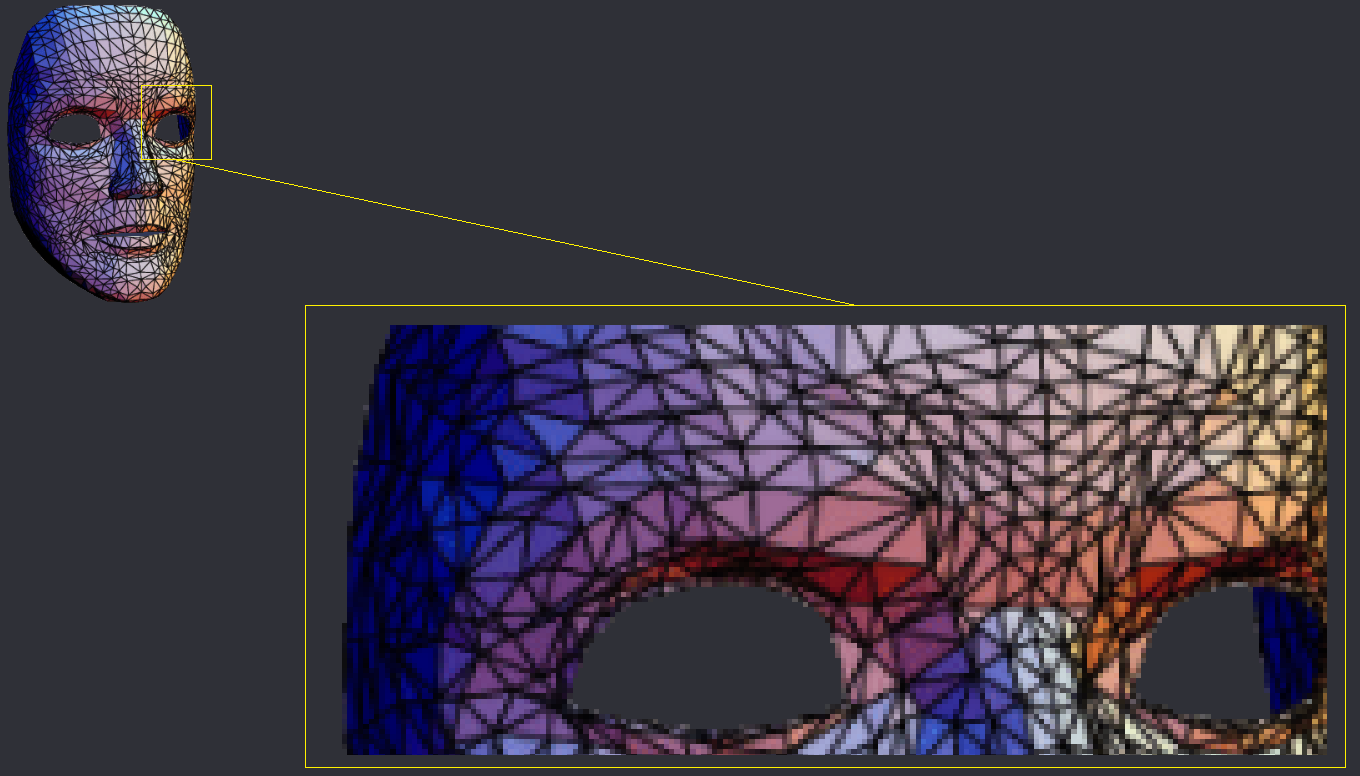 VERTEX-Based
To increase Cycles render performance, is it possible to implement an SVG engine, as seen in HTML 5 -- but for 3D?
Regions could be extruded and or deformed as 3D paths, regions, and shapes, similar to extruding a mountain terrain. And Height-map and or geo-spatial coordinate information could be encoded as color.
Or MULTIPLE SVG Aspects of a mesh could be stored in memory. From four (4) different perspectives. And with the use of software, the resultant 3D mesh is
inferred
, for later rendering as a rasterized or raytraced image.
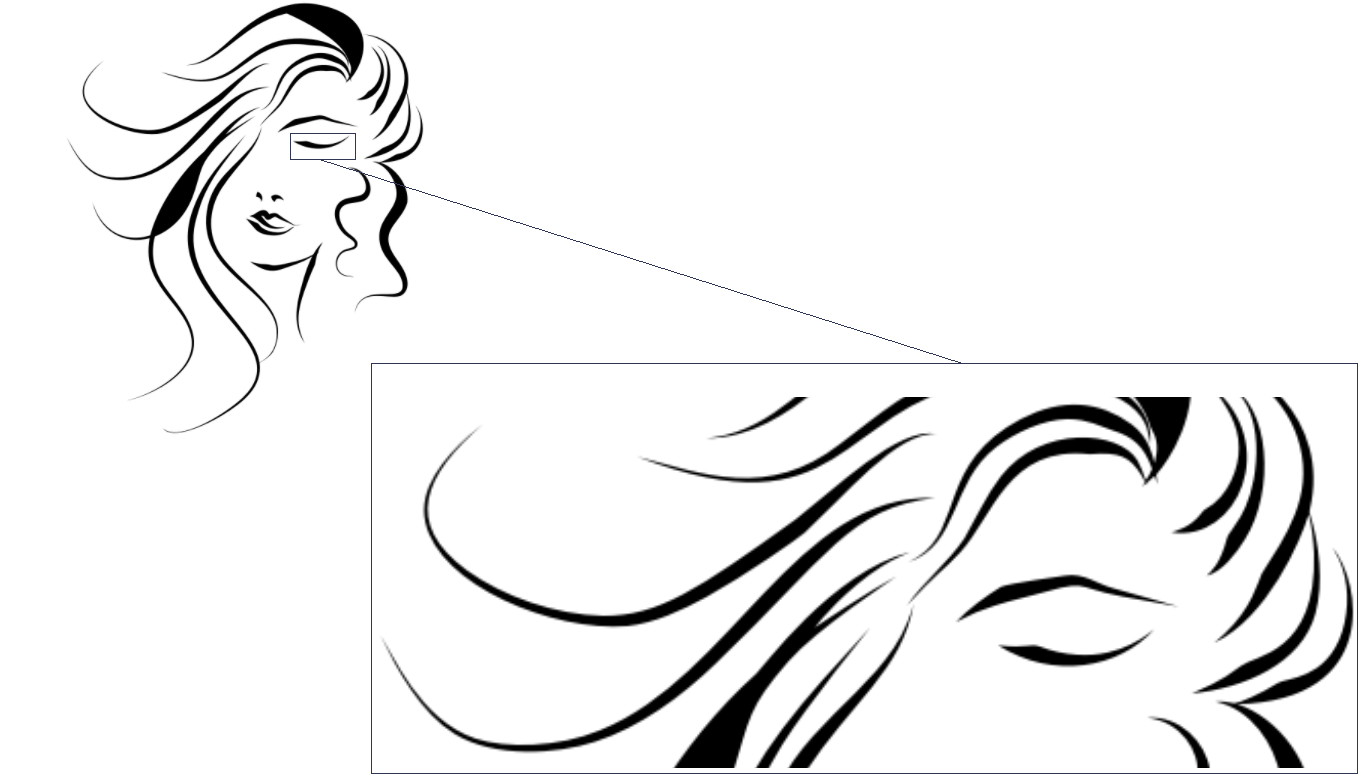 SVG-Based
2 Comments
For grease pencil stuff?
Sure!
The SVG specification will need to be extended for our needs to support, BLENDABLE REGIONS, DITHER-ABLE PATHS & STROKES, MUTABLE REGIONS, 3D Surface (raytrace support)... and a number of other new properties to fully show off its superior fast-rendering performance.
Here is a cursory proof that SVG-based renderers should have better performance versus traditional vertex renderers
'''---------------------------------------------------------------------------------------- AUTHOR : AHSMASSACHUSETTS
DESCRIPTION : Z3Prover is a propositional logic theorem prover developed in Python which tests a statements' consistency and SATISFIABILITY This library will be used to validate the suitability (satisfiability) of Scalable Vector Graphics in lieu of Vertex-based renderers
Proof : SVG => ARE_SUPERIOR_RENDER_OBJECTS( SVG ) && Not( ARE_BANDWIDTH_CONSTRAINED_RENDERS( SVG ) )
----------------------------------------------------------------------------------------'''
import z3
Or = z3.Or
And = z3.And
Not = z3.Not
Bool = z3.Bool
Const = z3.Const
Solver = z3.Solver
Implies = z3.Implies
Function = z3.Function
BoolSort = z3.BoolSort
DeclareSort = z3.DeclareSort
Object = DeclareSort('Object')
SVG = Const('SVG', Object)
VERTEX_MESHES = Const('VERTEX_MESHES', Object)
ARE_SCALABLE = Function('ARE_SCALABLE', Object, BoolSort())
ARE_RAYTRACEABLE = Function('ARE_RAYTRACEABLE', Object, BoolSort())
CAN_BE_RASTERIZED = Function('CAN_BE_RASTERIZED', Object, BoolSort())
ARE_BANDWIDTH_CONSTRAINED_RENDERS = Function('ARE_BANDWIDTH_CONSTRAINED_RENDERS', Object, BoolSort())
CAN_BE_SCALED_EFFICIENTLY = Function('CAN_BE_SCALED_EFFICIENTLY', Object, BoolSort())
CONTAIN_ONE_OR_MORE_GROUPED_REGIONS = Function('CONTAIN_ONE_OR_MORE_GROUPED_REGIONS', Object, BoolSort())
ARE_SUPERIOR_RENDER_OBJECTS = Bool('ARE_SUPERIOR_RENDER_OBJECTS')
proof = Solver()
proof.add( And( ARE_SCALABLE( SVG ), Not( ARE_SCALABLE( VERTEX_MESHES ) ) ) )
proof.add( And( ARE_RAYTRACEABLE( VERTEX_MESHES ), ARE_RAYTRACEABLE( SVG ) ) )
proof.add( And( CAN_BE_RASTERIZED( VERTEX_MESHES ), CAN_BE_RASTERIZED( SVG ) ) )
proof.add( And( CONTAIN_ONE_OR_MORE_GROUPED_REGIONS( VERTEX_MESHES ), CONTAIN_ONE_OR_MORE_GROUPED_REGIONS( SVG ) ) )
proof.add( Implies( ARE_SUPERIOR_RENDER_OBJECTS, And( ARE_BANDWIDTH_CONSTRAINED_RENDERS( VERTEX_MESHES ), Not( ARE_BANDWIDTH_CONSTRAINED_RENDERS( SVG ) ) ) ) ))
proof.check() # sat!
print( f" { proof.model } " )