
Physics (Cloth and Softbody) Simplification
An idea or something similar for a simplification of the Physics tabs for Cloth and Soft Body as one.
The current problem with the physics system is that there are too many sliders and settings, of which some don’t seem to have an effect at all. Additionally, a different object with the same physics settings can behave completely differently, which often means you have to create a new configuration for each object just to achieve the same result as before. For beginners, it can be extremely difficult to create something new on their own that isn’t already explicitly explained in a YouTube tutorial. Maybe it’s also just me (I only recently started experimenting with physics), but I spent a long time trying things out, and just when I thought I was close to getting the result I wanted, the physics either broke down completely, or the slider I thought would fix the problem did absolutely nothing. I would really appreciate it if the physics system was simplified. I came up with a basic concept of what I think should be included (just roughly which physical properties are needed and how they should behave, not how to actually implement it), but you probably know better than me.
I believe all of these are already implemented but, in a way, more complicated way with too many sliders. If it where just these, it would keep it simple.
Physics:
What it can do (potential / limitations) (how it could change):
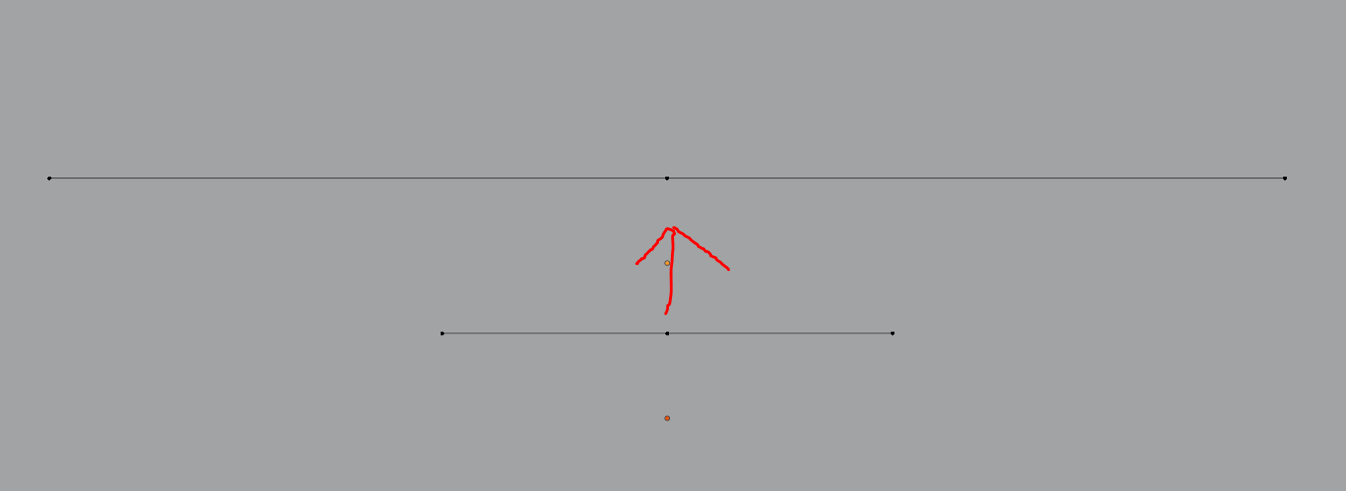
Stretchability:
How stretchable it is (how much the proportional distance between connected vertices can increase)
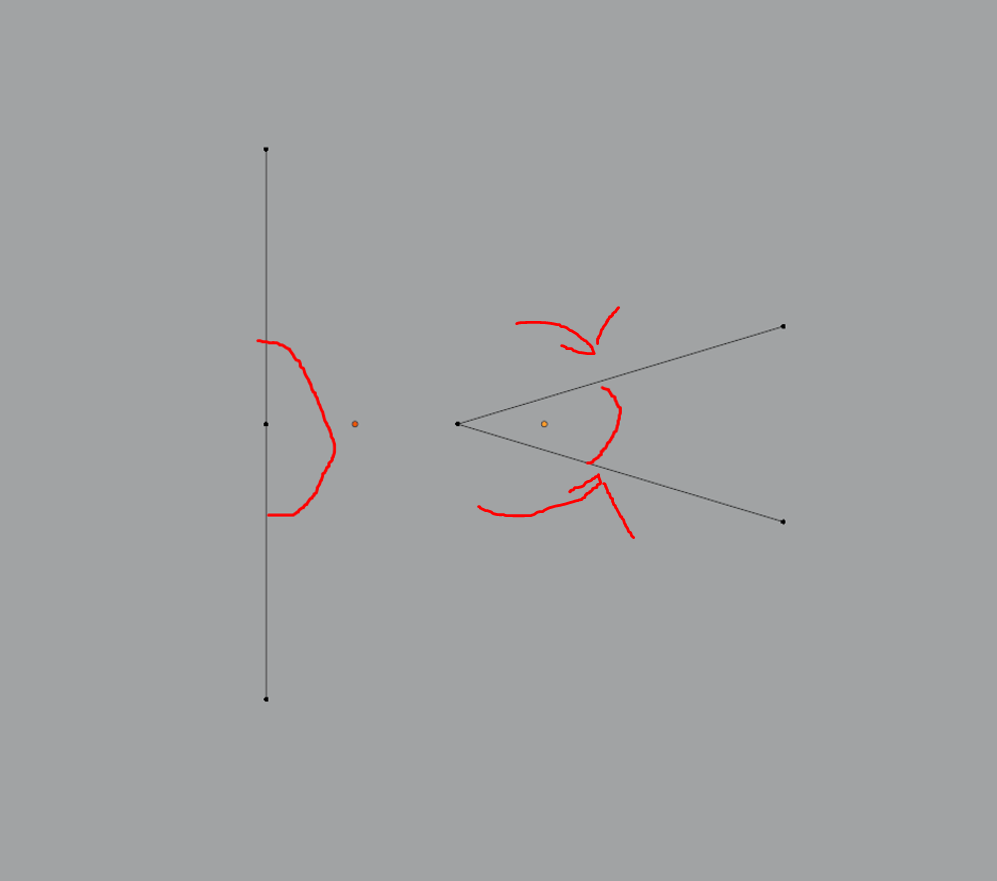
Stiffness:
How soft or stiff it is (how small the angle between two connected edges is allowed to become) or
between two vertices that are both connected to the same vertex
Collision: What kind of collision the object has (already implemented)
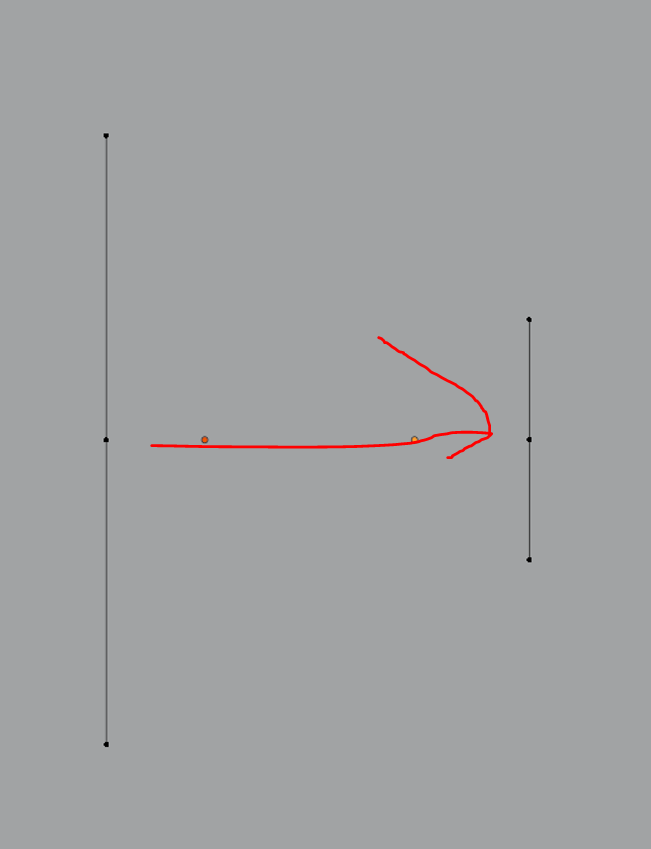
Compressibility:
And how compressible it is, meaning how much smaller the proportional distance between the vertices is allowed to become
What influences to what extent the things it could do are actually happening (forces / influenceability) (how it actually changes):
Weight You should be able to simply set how heavy the object is (probably how strongly vertices are pulled downward, but not calculated per vertex, rather as a whole object, so that areas with many vertices are not considered heavier)
Pressure: How strong the internal pressure is (how strongly vertices are pushed outward) (but not calculated per vertex, rather as a whole object, so that areas with many vertices are not considered heavier)
Plasticity: (a slider from 1 to 100%, where at 100% the object stays in the deformed state) Whether an object remains permanently deformed after deformation or quickly returns to its original shape
Inertia: How little influence is needed for the object to be deformed by weight, force fields, or other forces
Speed (slider) for each of the previously mentioned types of change: Possibly also how fast the individual aspects occur, meaning that the speed of the previously mentioned processes can be adjusted individually, not just globally
Damping How quickly the effects die out (I think this is already implemented)
Friction How much the vertices slide across the ground (this is already in anyway)
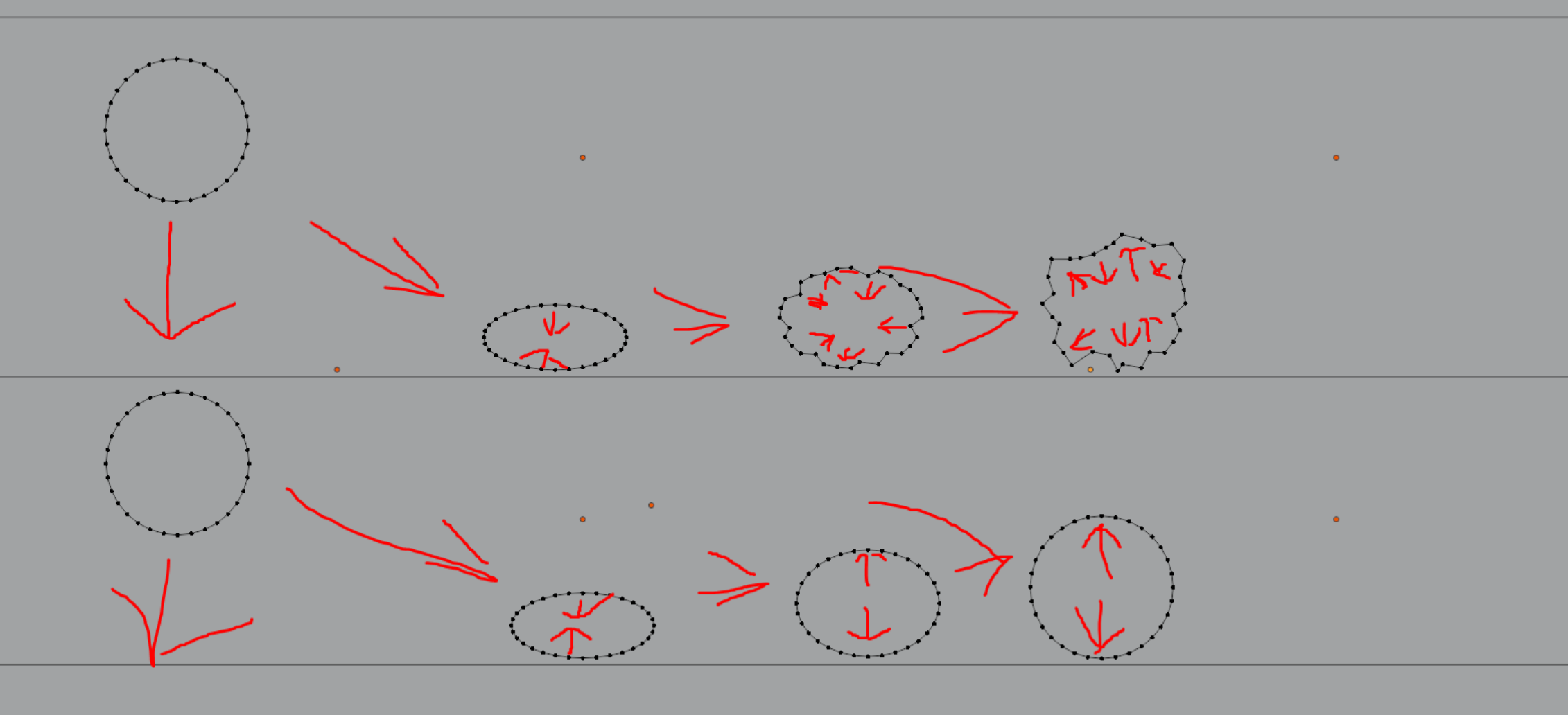
?: There still needs to be something that makes the distribution of energy happen evenly, instead of it wobbling around like a waterbed — but that is probably the pressure
1 Comment
The real problem aren't the sliders, Maya has at least triple the sliders, the real problem is Blender's physics system sucks ass real hard. You need to tweak your life off the sliders only to have it work, while in Maya it all works by default and the tweaking are just for fine tunning and making the fabrics behave more and more specifically to what they are made of.